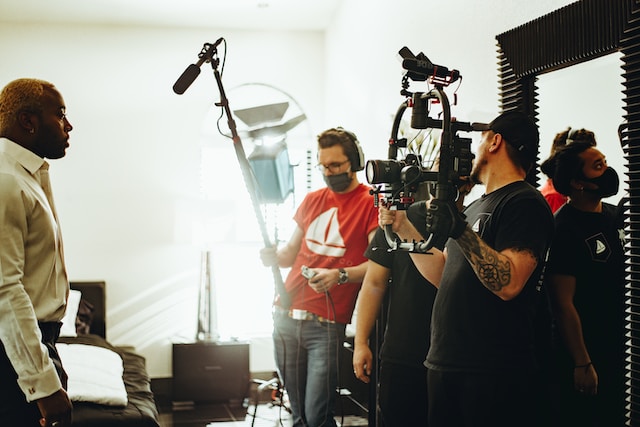
Visuals often steal the spotlight, but it’s the unseen hero – sound – that can elevate a video from ordinary to extraordinary. Sound design is the art of creating and manipulating audio elements to enhance the viewer’s experience, and its importance cannot be overstated. From setting the mood to guiding emotions, sound design plays a pivotal role in capturing and retaining audience attention.
The Essence of Sound Design
At its core, sound design encompasses everything audible in a video production, including dialogue, music, ambient noise, and sound effects. It’s the process of carefully selecting, editing, and mixing these elements to create a cohesive and immersive auditory experience. Just as a painter uses colors to evoke emotions, a sound designer crafts sonic landscapes to immerse viewers in the world of the video.
Setting the Mood
One of the most powerful aspects of sound design is its ability to set the mood and tone of a scene. Whether it’s the ominous hum of a distant storm or the upbeat rhythm of a lively city street, sound can instantly transport viewers into the atmosphere you want to convey. By strategically choosing sound elements that complement the visuals, filmmakers can evoke specific emotions and enhance the overall impact of their videos.
Guiding Audience Attention
Sound design also serves as a subtle guide, directing the audience’s focus and reinforcing key moments within a video. By manipulating volume, pitch, and spatial positioning, sound designers can draw attention to important details, highlight emotional beats, and create a sense of depth and immersion. Whether it’s a sudden crescendo during a suspenseful scene or a subtle whisper in a quiet moment, these auditory cues help keep viewers engaged and invested in the story.
Creating Realism and Immersion
In addition to shaping emotions and guiding attention, sound design plays a crucial role in creating realism and immersion within a video. Just as a lack of visual continuity can break the illusion of a scene, inconsistent or poorly crafted audio can disrupt the viewer’s sense of immersion. By paying careful attention to details such as spatial dynamics, environmental ambience, and realistic sound effects, filmmakers can transport viewers into the heart of the action and make them feel like active participants in the story.
The Art of Collaboration
Effective sound design is not a solitary endeavor but rather a collaborative process that involves close coordination between filmmakers, sound designers, composers, and audio engineers. By working together seamlessly, each member of the team can contribute their expertise to create a cohesive and impactful auditory experience that enhances the overall narrative and visual aesthetics of the video.
Final Thoughts
Sound design is a powerful tool that can elevate the viewer’s experience and bring stories to life in ways that visuals alone cannot. By understanding the principles of sound design and harnessing the magic of audio, filmmakers can create immersive and captivating videos that leave a lasting impression on their audience. So next time you sit down to work on a video project, remember the transformative power of sound design – and let your creativity soar!
