With the meteoric rise of video content across platforms, there’s an ever-growing need for high-quality video production. Whether you’re a budding filmmaker or a brand looking to make a mark, achieving that cinematic touch can set your content apart from the rest.
Equipment Matters
The first step to achieving cinematic quality is investing in the right gear. A high-resolution camera with manual settings allows for greater control and precision, ensuring each shot is as you envision. But the camera is just the beginning. The lenses you choose can dramatically alter the look and feel of your video. From wide-angle lenses capturing vast landscapes to prime lenses offering sharp focus, each lens has a story to tell.
Mastering the Art of Lighting
Lighting can make or break your video’s cinematic quality. The interplay between light and shadow can evoke feelings of happiness, sadness, mystery, or even fear. Natural lighting, with its soft, diffused look, can be perfect for certain scenes. However, it’s unpredictable and requires a keen understanding of time and weather. On the other hand, artificial lighting offers control. Techniques like three-point lighting, which uses a key light, fill light, and backlight, can create depth and dimension in your shots.
Composition and Framing
The rule of thirds, where the frame is divided into nine equal parts, offers a balanced and aesthetically pleasing shot. Leading lines, be it a road stretching into the distance or the edge of a building, can guide the viewer’s eyes and create a sense of direction. Creating depth is another essential aspect. By layering elements in a scene, you can achieve a 3D feel, making the viewer feel like they’re part of the world you’ve created.
Movement and Transitions
A video is, by nature, dynamic. The way the camera moves can add energy, tension, or tranquility to a scene. Static shots have their place, offering stability and focus. However, dynamic shots, achieved through panning, tilting, or tracking, can bring a scene to life. Transitions, too, play a role in maintaining the video’s flow. Smooth transitions like fades, cuts, and wipes can seamlessly connect different scenes, ensuring the narrative progresses naturally.
Post-Production
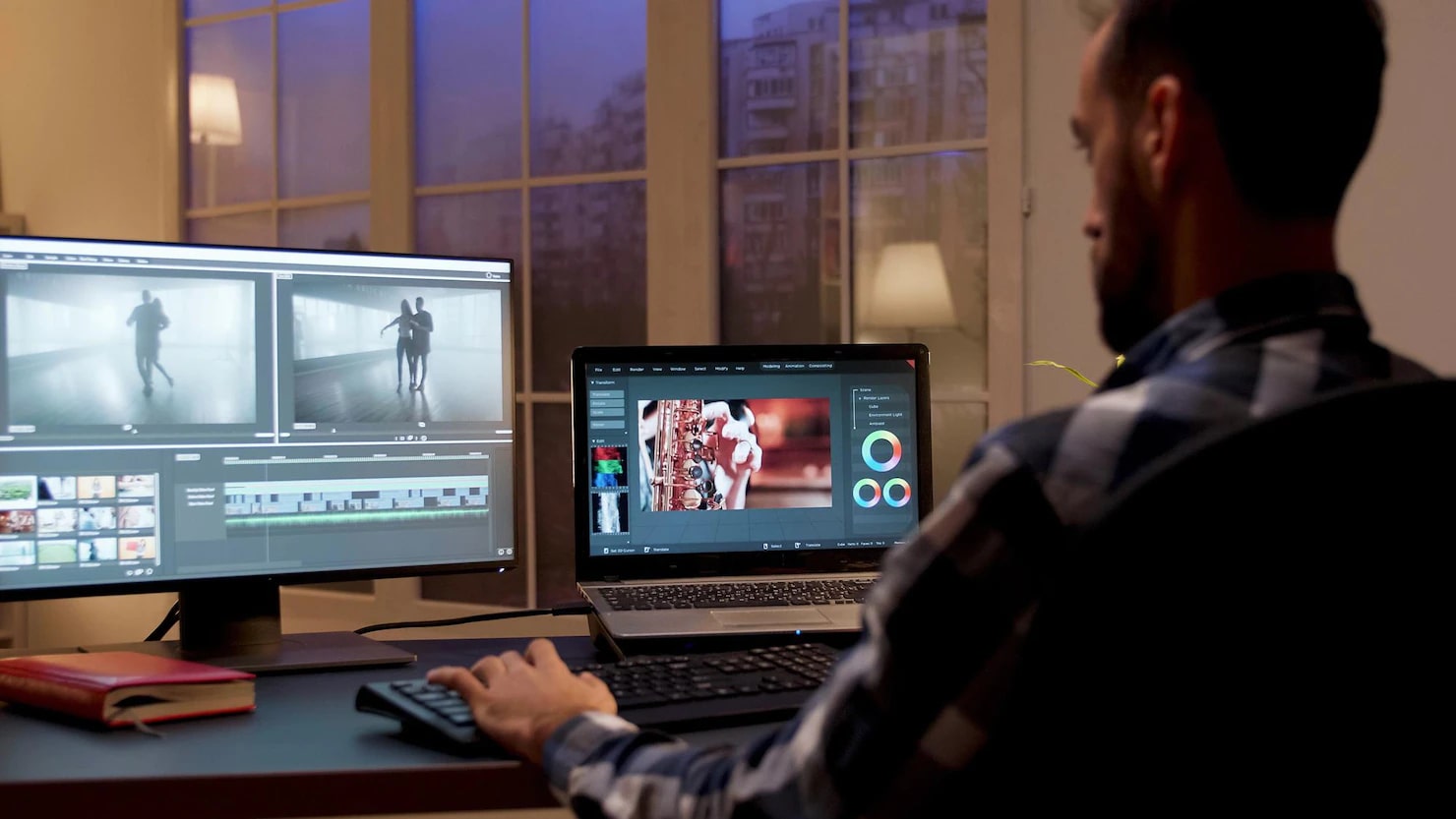
Once you’ve captured your footage, the journey isn’t over. Post-production is where you refine your work. Editing is the process of cutting and arranging clips to tell a cohesive story. Color grading can enhance the mood, making sunsets more vivid or night scenes more atmospheric. Sound design, from background scores to sound effects, adds another layer of depth, ensuring the viewer is fully immersed in the experience.
Continual Learning and Practice
The world of video production is ever-evolving. New techniques, tools, and trends emerge regularly. Staying updated and practicing regularly is the key to honing your skills and developing a unique style. Every video you produce is a learning experience, a step closer to achieving true cinematic quality.
Conclusion
Achieving cinematic quality in your videos is a blend of art and science. It’s about understanding the basics, investing in the right equipment, mastering techniques, and continually learning. So, dive into the world of video production, and let your stories shine with cinematic brilliance. And remember, every great filmmaker started with a single shot. It’s your turn now.
